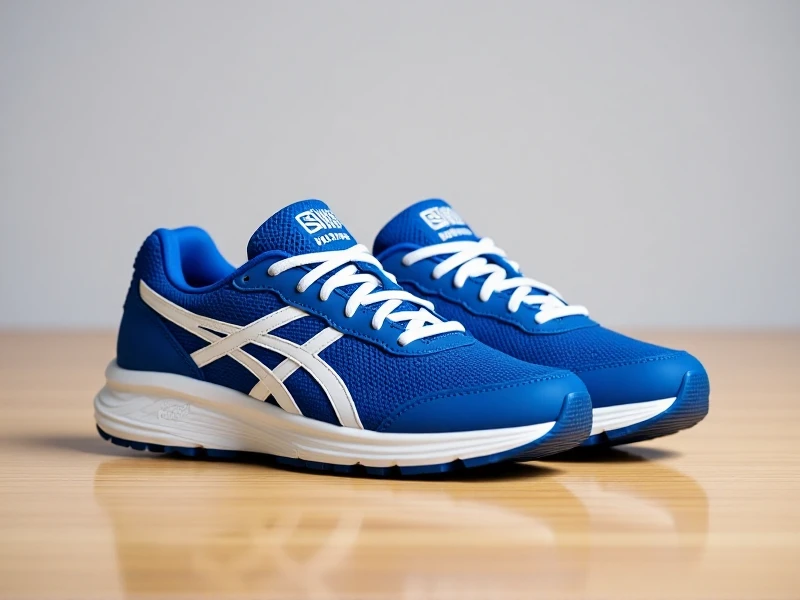
Your Ultimate Guide to Choosing the Best Running Shoes for Performance and Comfort
Finding the perfect pair of running shoes isn't just about style; it's a crucial investment in your performance, comfort, and injury prevention. With countless options lining store shelves and online shops, knowing what to look for ensures you hit the pavement or trails with confidence.
Why the Right Running Shoes Matter Running generates significant impact force with every stride. Running Shoes designed specifically for this sport provide essential support, cushioning, and stability. They help absorb shock, protect joints, and promote proper foot alignment – factors vital for preventing common running injuries like shin splints, plantar fasciitis, and knee pain. Ill-fitting or worn-out shoes often sideline runners unnecessarily.
Key Features to Consider in Running Shoes
- Cushioning: This absorbs impact. Amount varies greatly – from minimal "barefoot feel" for responsive runners to maximum plush cushion for long-distance comfort or heavy landers. Materials like EVA foam and newer technologies like nitrogen-infused midsoles offer varying levels of rebound and softness.
- Support & Stability: Crucial for runners who overpronate (feet rolling inward excessively). Look for features like medial posts, firmer foam density on the inner side, or structured support systems. Neutral runners can focus on flexible shoes without rigid support elements.
- Fit & Sizing: Never judge running shoes by your street shoe size alone. Always try them on later in the day when feet swell, wearing your typical running socks. Aim for about a thumb's width of space between your longest toe and the shoe's end. Ensure a secure, comfortable midfoot and heel hold without pinching or slippage. Width options (like Wide or D vs 2E) are essential.
- The Drop: The height difference (in millimeters) between the heel and forefoot. Traditional shoes might have an 8-12mm drop for heel strikers, while minimalist or zero-drop shoes encourage a midfoot/forefoot strike. Choose based on your natural gait and preference.
- Weight: Lightweight Running Shoes generally offer increased speed and responsiveness, ideal for racing or tempo workouts. Heavier models tend to focus on maximum cushioning and durability. Trail Runners add grip and sometimes rock plates, slightly increasing weight.
Road vs. Trail: Matching Terrain For primarily paved surfaces or treadmills, opt for traditional Road Running Shoes. They focus on cushioning and efficient forward motion. For uneven or slippery outdoor paths like dirt, gravel, or mud, Trail Running Shoes are essential. They feature aggressive outsoles for superior traction, often reinforced uppers for protection, and sometimes rock plates to shield your feet.
Finding Your Perfect Pair
- Know Your Pronation: Visit a specialty running store for a gait analysis. Understanding your foot strike is fundamental.
- Track Mileage: Running Shoes typically last 300-500 miles. Their cushioning degrades over time.
- Prioritize Function: While aesthetics matter, performance and fit are non-negotiable for serious runners.
- Shop Late: Your feet expand during the day, mimicking how they feel during a run.
Investing time in choosing the right Running Shoes pays off mile after mile. Listen to your body – great support makes every stride smoother. Ready to conquer your next run? Explore our range of cutting-edge Running Shoes specifically engineered to enhance your natural stride and boost your confidence.