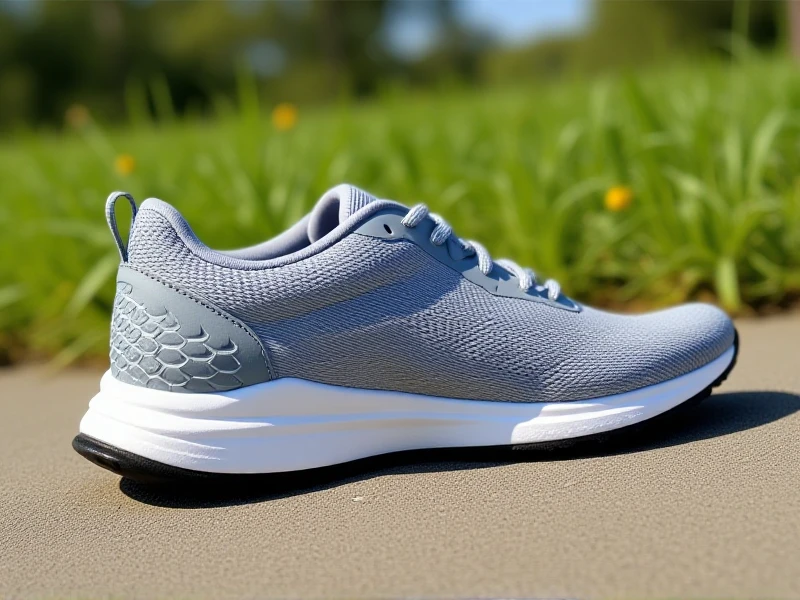
Unlock Peak Performance: Choosing the Perfect Pair of Sports Shoes
Finding the ideal sports shoes isn't just about looks; it's crucial for performance, comfort, and injury prevention. Whether you're a dedicated runner, a gym enthusiast, or enjoy casual sports, the right footwear can significantly impact your experience. Understanding key factors helps you navigate the vast array of athletic footwear available.
The foundation of selecting sports shoes lies in the activity. Running shoes prioritize cushioning and shock absorption, protecting joints during repetitive impact. Look for models distinguished as neutral, stability, or motion control, catering to different foot arches and pronation patterns. Court shoes like those for basketball, tennis, or volleyball offer lateral support for quick side-to-side movements and firm heel counters for stability during jumps and pivots.
Cross-training shoes provide versatile support, ideal for gym workouts blending running, lifting, and agility drills. They typically offer a balanced mix of cushioning, flexibility through the forefoot, and heel support. For hiking or trail running, specialized trail shoes feature aggressive lugs for superior grip on uneven terrain, protective toe caps, and often water-resistant materials. Lightweight sport-specific shoes (like soccer cleats or specialized track spikes) cater precisely to the demands of their discipline.
Beyond activity, focus on fit and feel. Sports shoes should have enough toe room (about a thumb's width) and hug your heel comfortably without slipping. Visit a reputable sports shoe store later in the day when feet naturally swell. Bring the socks you typically wear for sports. Try on both shoes, walk or jog around, and assess comfort immediately. There shouldn't be pressure points or excessive movement inside the shoe.
Technology plays a vital role. Consider cushioning systems (foam types like EVA or advanced compounds like BOOST, React, Fresh Foam) for comfort and energy return. Breathable mesh uppers enhance comfort during exertion, while synthetic overlays or knitted constructions offer support and a snug fit. Midfoot stability features and durable rubber outsoles designed for specific surfaces contribute to safety and longevity.
Replace your sports shoes regularly. Experts generally recommend replacing them every 300-500 miles for runners, or sooner if you notice significant midsole compression, visible sole wear affecting grip, or persistent discomfort after workouts. Worn-out sports shoes lose their protective cushioning and support, increasing injury risk.
Investing time in selecting the perfect sports shoes tailored to your activity and foot type is an investment in your health, comfort, and athletic potential. Prioritize function, fit, and support to ensure every step, stride, or jump is optimized, helping you achieve your fitness goals confidently and safely. Find your perfect pair today and elevate your performance.