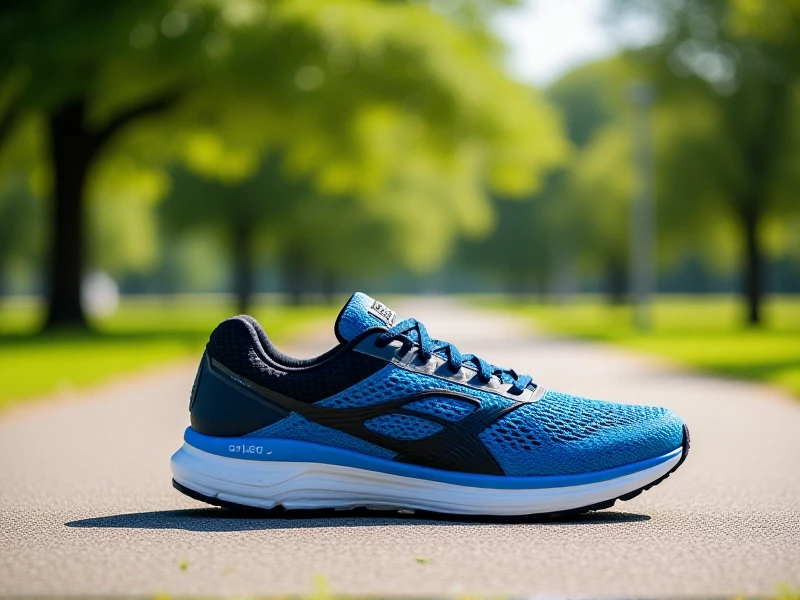
The Ultimate Guide to Choosing the Best Running Shoes
When it comes to staying active and healthy, running is one of the simplest and most effective forms of exercise. But to make the most of your runs, you need the right pair of running shoes. Poorly fitted shoes can lead to discomfort, blisters, or even long-term injuries, while the perfect pair boosts your comfort, enhances performance, and keeps you motivated. In this guide, we'll explore tips for selecting and maintaining running shoes to ensure every stride counts. With so many options on the market, understanding key factors like fit, purpose, and features will help you find your ideal match.
First, identify your running style to narrow down choices. For instance, neutral running shoes are great for everyday training if you have a balanced stride, providing moderate cushioning to absorb impact. If you overpronate (your foot rolls inward while running), stability running shoes offer extra support to prevent strain. On the other hand, lightweight racing flats are designed for competitive runners seeking speed, but they compromise on cushioning. Consider your goals—are you training for a marathon, jogging in the park, or recovering from an injury? Trail running shoes with rugged outsoles excel on uneven paths, while road shoes prioritize shock absorption for pavement. Test shoes by trying them on late in the day, when your feet are slightly swollen. Walk or jog around the store; they should feel snug but with wiggle room for your toes. Look for brands like Asics or Brooks, known for innovation in running shoes technology.
Next, think about comfort and longevity. Breathable materials like mesh uppers keep feet dry and cool, reducing sweat and friction. Cushioning levels vary—max-cushion running shoes are ideal for high-impact runs if you're injury-prone, while minimal designs promote natural foot movement for a more responsive feel. Replace your running shoes every 250-500 miles; worn-out soles lose support, increasing injury risks. Maintenance is simple: air them out after runs, avoid machine-washing to preserve support systems, and rotate two pairs to extend their life. Investing in quality running shoes pays off—not only do they improve your form to shield joints from stress, but they can also transform a routine jog into a revitalizing experience. Start your journey with a visit to a running specialty shop where experts assess your gait. Don't forget your health—properly fitted running shoes reduce aches and boost the joy of every step! ( 430)