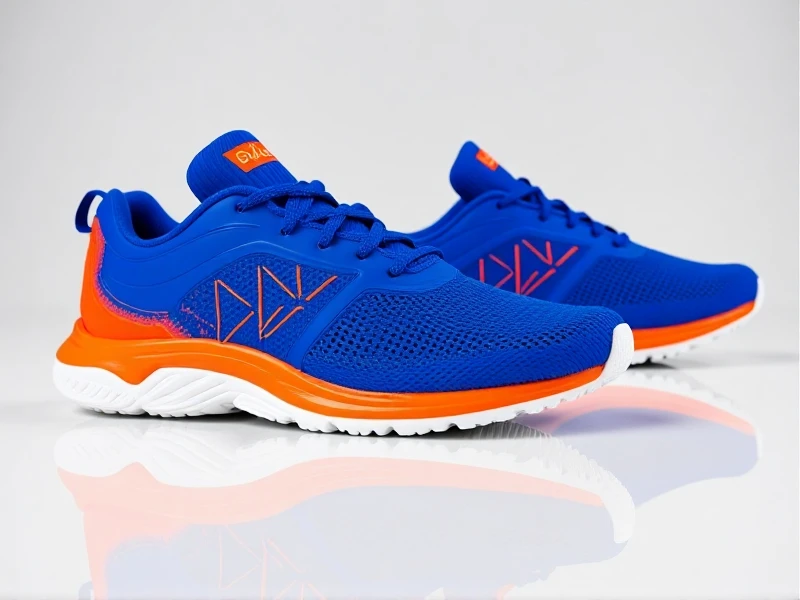
Finding Your Perfect Pair: Your 2024 Guide to Essential Running Shoes
Okay, here is an SEO-optimized article focusing on "Running Shoes," written naturally for human readers and adhering to your specifications.
So, you've decided to lace up and hit the pavement (or trail!). Fantastic choice! Running offers incredible benefits, from boosting cardiovascular health to clearing the mind. But before you reap the rewards, there's one absolutely critical piece of gear: the right pair of running shoes. Choosing the wrong ones isn't just uncomfortable – it can lead to nagging injuries that derail your progress.
Running shoes are the foundation of every runner's journey. Unlike casual sneakers, they're meticulously engineered for the specific demands of the running gait cycle – the impact of landing, the roll through midfoot, and the powerful push-off. Getting this foundation right makes all the difference.
Why the Right Fit & Function Matters:
- Support & Stability: Your unique biomechanics dictate what you need. Overpronators (foot rolls inward excessively) need shoes with firmer medial support to guide the foot. Neutral runners often benefit from balanced cushioning. Understanding your gait (a quick analysis at a running store helps!) is step one.
- Impact Protection (Cushioning): Every stride sends significant force through your legs. Quality running shoes feature specialized midsole materials like EVA, PU (Polyurethane), or advanced foams (Nike React, Adidas Boost, ASICS FlyteFoam, Puma Nitro) that absorb shock and return energy, reducing fatigue and strain on joints.
- Fit & Comfort: Snug through the midfoot and heel, with ample space (roughly a thumbnail's width) in the toebox is key. Your feet swell during runs! Look for breathable, seamless uppers (mesh is common) that prevent hotspots and blisters. A secure heel counter locks your foot in place without slipping.
- Terrain Specificity: Road shoes (most common) focus on cushioning and durability for hard pavements. Trail running shoes prioritize grip with aggressive lugs on the outsole, added protective rock plates, and enhanced stability for uneven ground. Match the shoe to where you run most.
Beyond Looks: Key Features to Look For:
- Drop (Heel-to-Toe Offset): The height difference between heel and forefoot. Lower drops (0-6mm) encourage a more midfoot/forefoot strike, potentially lessening knee stress but requiring stronger calves. Higher drops (8-12mm ) are common and offer easier heel-to-toe transitions for many.
- Weight: Lighter shoes often feel more responsive for speedwork or racing, while slightly heavier ones might offer more cushioning and durability for long distances. The ideal weight depends on your goals and preferences.
- Durability: Outsoles made of durable rubber compounds (like carbon rubber or blown rubber) in high-wear areas extend the shoe's life. Manufacturers often estimate lifespan in miles (typically 300-500 miles).
The Golden Rule: Get Fitted Professionally
While online research is useful, nothing replaces visiting a specialty running shoes store. Knowledgeable staff observe your gait (often with video), analyze your foot structure, discuss your running goals and typical distance, and recommend several options for you to try. Bring your regular running socks and any old shoes for wear pattern analysis!
Your Journey Starts Below
Investing time in finding the running shoes that perfectly suit your feet and running style is an investment in your enjoyment, performance, and injury prevention. The right pair transforms running from a chore into pure liberation. Now, lace up some great fits, find your rhythm, and experience the joy of the run! Happy miles!